I assure you that every person that walks through my door (or these days, pops up on my computer screen) has a desire to be known. We crave being seen and understood. We want others to validate that the experience we are having is real and that we’re “not crazy,” “not fucked up,” “not _____.” You fill in the blanks. We crave this because as humans, we desire belonging. We want to know that others see us and accept us fully as we are and that we can share in the joy of the human experience of belongingness.

Unfortunately, wounding begins early and we learn at a young age that there are simply parts of us that are unacceptable that we must hide away, lest we be rejected. We may be told by parents, teachers, peers, church leaders, that our feelings are unacceptable, “buck up buttercup,” “knock it off,” “we don’t cry in this family.” We may be taught that our needs are “too much,”: “I can’t hold you right now,” “Go find your own dinner,” “Go outside and play, I’m busy.” We may learn that our playful spirit is unacceptable: “boys don’t dance,” “girls can’t play sports,” “stop laughing,” “that’s a stupid idea.” The list goes on. These wounds are sometimes intentional and other times not, but they play a huge role in how we show up later in life and in relationships with others.
If we’ve learned to hide parts of ourselves away, it can show up a few different ways. We may people-please by trying to figure out what will make others happy and suppress the parts of ourselves that we can discern will be rejected – constantly being a chameleon by being a different person to different people. We may keep others at a distance by avoiding any conversations that pertain to emotions – if we learned they’re unacceptable, they’re useless, and why bother discussing them? We may find ourselves craving closeness to others so we start to let them in, only to fear that they’ll see our most vulnerable selves and reject us, so then push them away before they get the chance to see who we are – reject them before they reject us. While these are more extreme examples, most people engage in some version of these behaviors because of our wounding. So, how do we begin to heal?
With curiosity.
If we could be known and accepted as we are, we can relax and step back into the most true and authentic version of ourselves. Curiosity invites openness and freedom. Demand does not. So when you are feeling hurt, angry, upset, depressed, mad, etc. be curious with yourself. Check in… “why am I feeling this way?” “Is this a product of current circumstances, or is this coming from a wound from my past?” Pay attention to what messages first pop up in your head: “everything bad always happens to me,” “I am so fat, no one will ever find me attractive,” “I knew my feelings were too much,” “I am a horrible person.” Where did you first hear those messages? What voice does it remind you of? Your parents? Your role model growing up? Your teacher? Your religion? Check in with your body too. Where are you feeling that feeling in your body? What color, shape, smell, texture, etc. does it carry and when do you remember first feeling that feeling? Most of the time, our reactions are being activated by past memories/experiences that are influencing our current one. If we can check in with ourselves and be curious with our feelings and be present with them, we can begin to self-soothe and heal.
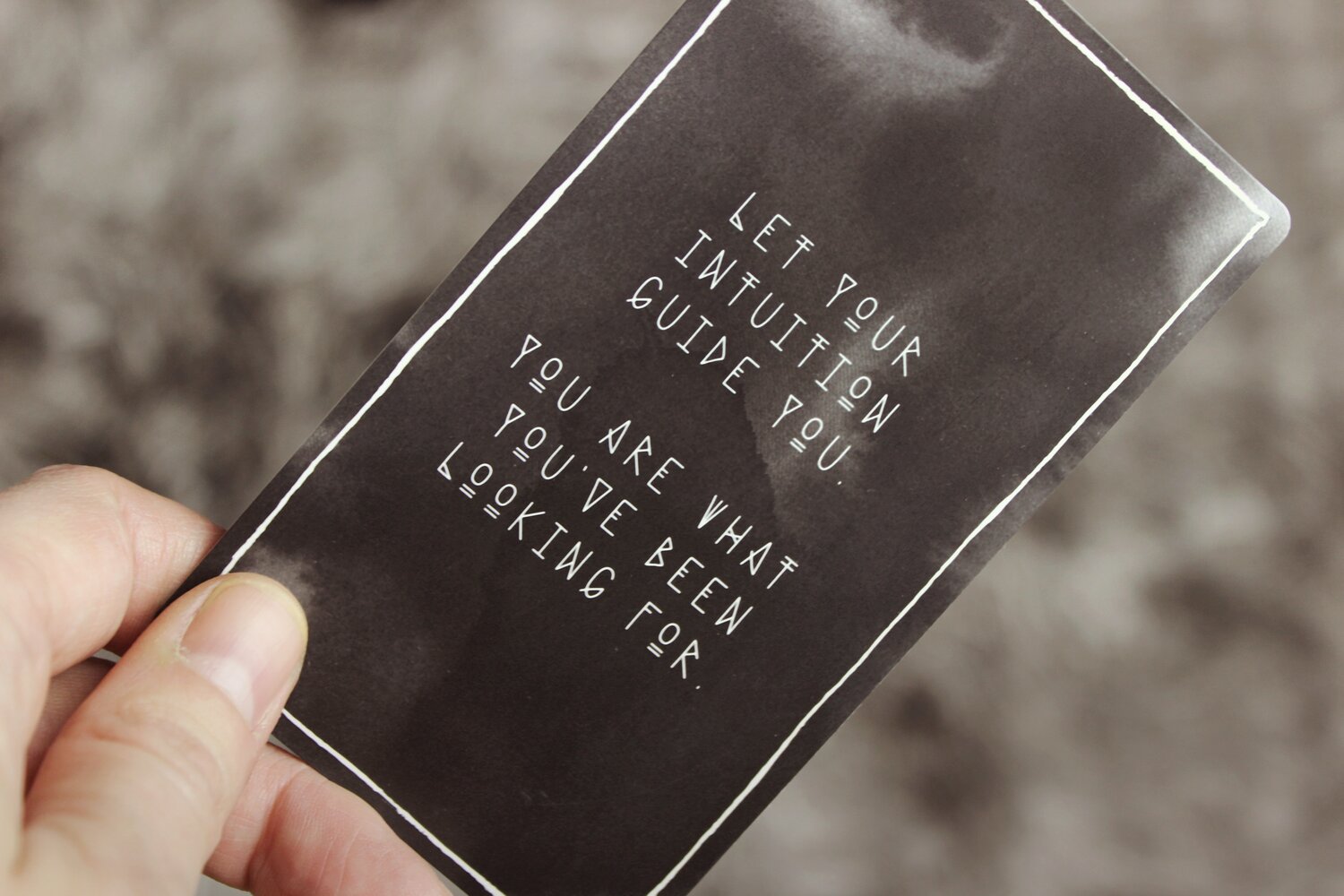
THEN, in partner work, this becomes your guiding light. When your partner appears to you to be unreasonably upset about a small infraction (i.e. you didn’t take out the trash… again), instead of getting defensive and assuming this is all about you (newsflash… most things aren’t), be curious with them. But be curious in a way that’s inviting, not demanding. Rather than saying, “What is your deal??” or “What the hell is happening??” check in… “Hey, you seem really upset right now, where is that coming from for you? Is this about the trash or is there something more going on?” Do this with the big fights too, because this is really where our wounds begin to come out. Usually when people fight (and this goes for romantic and non-romantic relationships), it’s because their values are misaligned. For example, if you’re fighting about one of you wanting sex more than the other, get curious… “why is sex so important to you? What are you craving? Is it stress relief? Connection? Were you told you needed to have it a certain amount of times?” or “Why are you finding it hard to want sex right now? Is this about us? Is is about something else? I didn’t realize your body image was bothering you; I didn’t realize work stress was so surmounting; I didn’t know that you were so overwhelmed thinking about that fight with your mom that it made it hard to be receptive.” Any form of curiosity that invites a person to share their vulnerable side, letting them know it’s safe to be as they are.
More often than not, our partner’s reactions are only partially in response to something we did. Often, there are hidden layers beneath that are coming into play. By being curious with them, we are allowing them to explore what’s happening for them, allowing them to feel heard and known, which can foster connection. And when we offer the same for ourselves to ourselves, we slowly return to who we were always meant to be. Whole, unbroken, and fully acceptable.